The gut microbiota plays a critical role in maintaining digestive health, immune regulation, and protection against harmful microorganisms. While antibiotics are essential for treating bacterial infections, their use can disrupt the natural balance of gut microorganisms, reducing microbial diversity and weakening intestinal defense mechanisms. This imbalance may increase susceptibility to gastrointestinal disturbances, inflammation, and various long-term health complications. Restoring microbial balance has become an important consideration in gastrointestinal care. S. boulardii has been studied for its ability to support gut microbial health, help maintain intestinal integrity, reduce the risk of antibiotic-associated diarrhea, and improve symptoms and quality of life in individuals with irritable bowel syndrome.[1][2]
Imbalance of Gut Microbiota: Antibiotics and Its Impact, Clinical Implications of Considering S. boulardii to Overcome AAD and IBS
|
Dr. Kamal Mavi
|
345 Views
Recent Videos

Evidence for Optimal Therapy in Managing IBS
|
Dr. Raj Tandel
|
314 Views

Evidence for Optimal Therapy in Managing IBS
|
Dr. Dhawal Dave
|
513 Views

Exploring the Advantage of Including Saccharomyces Boulardii CNCM I-745 in Managing AAD: A Promise to Practice
|
Dr. Milind kadam
|
445 Views

Evidence for Optimal Therapy in Managing IBS
|
Dr. Rashmikant Chaudhari
|
466 Views

Exploring the Advantage of Including Saccharomyces Boulardii CNCM I-745 in Managing AAD: A Promise to Practice
|
Dr. M Manjunath
|
316 Views
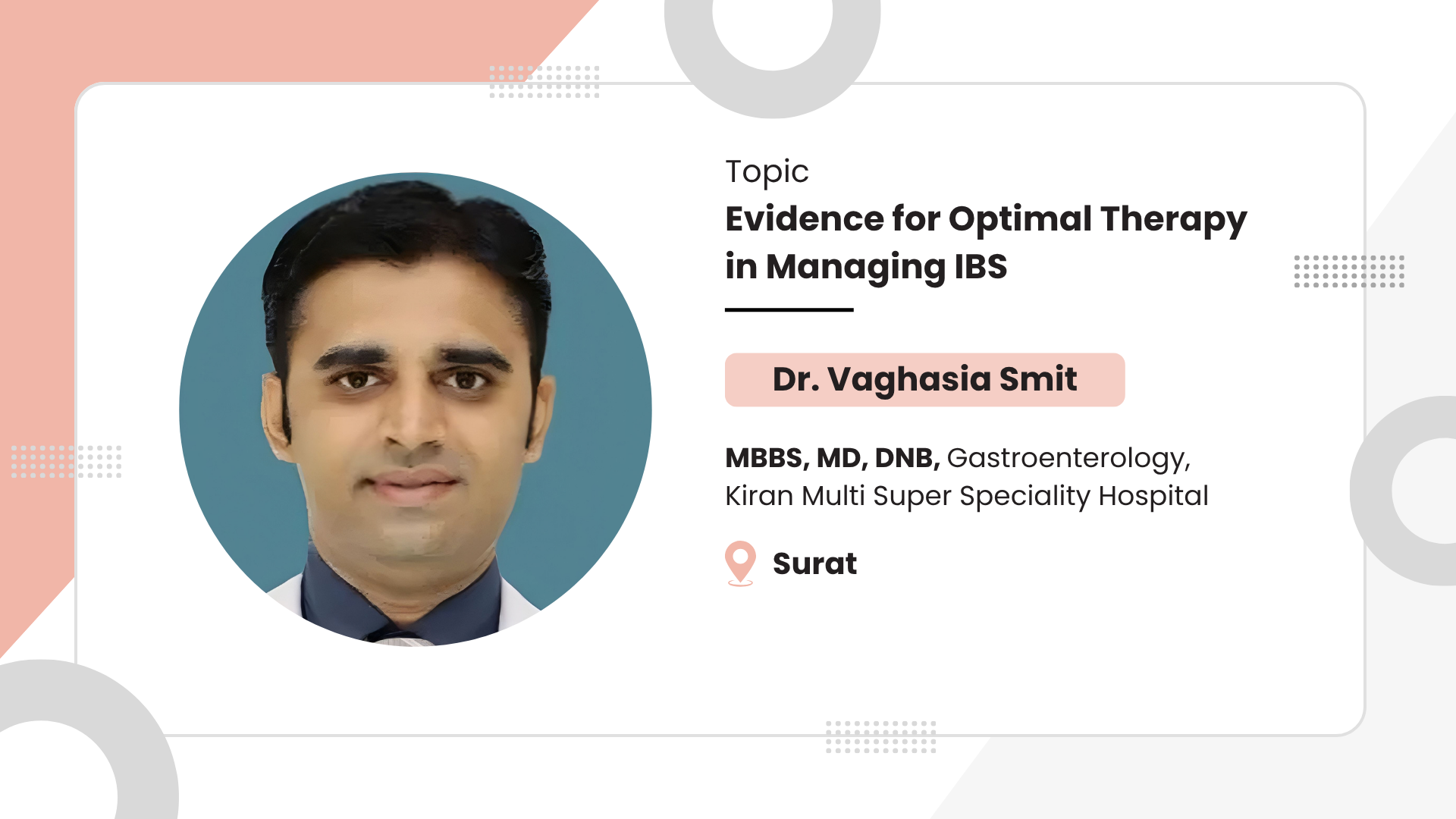
Evidence for Optimal Therapy in Managing IBS
|
Dr. Vaghasia Smit
|
508 Views

Emerging Evidences on Clinical Application of Saccharomyces boulardii CNCM I-745
|
Dr. Shekhar Puri
|
414 Views

Clinical Application of Saccharomyces boulardii CNCM I-745 in Various Patient Profiles
|
Dr. Bhaskar Kante
|
515 Views