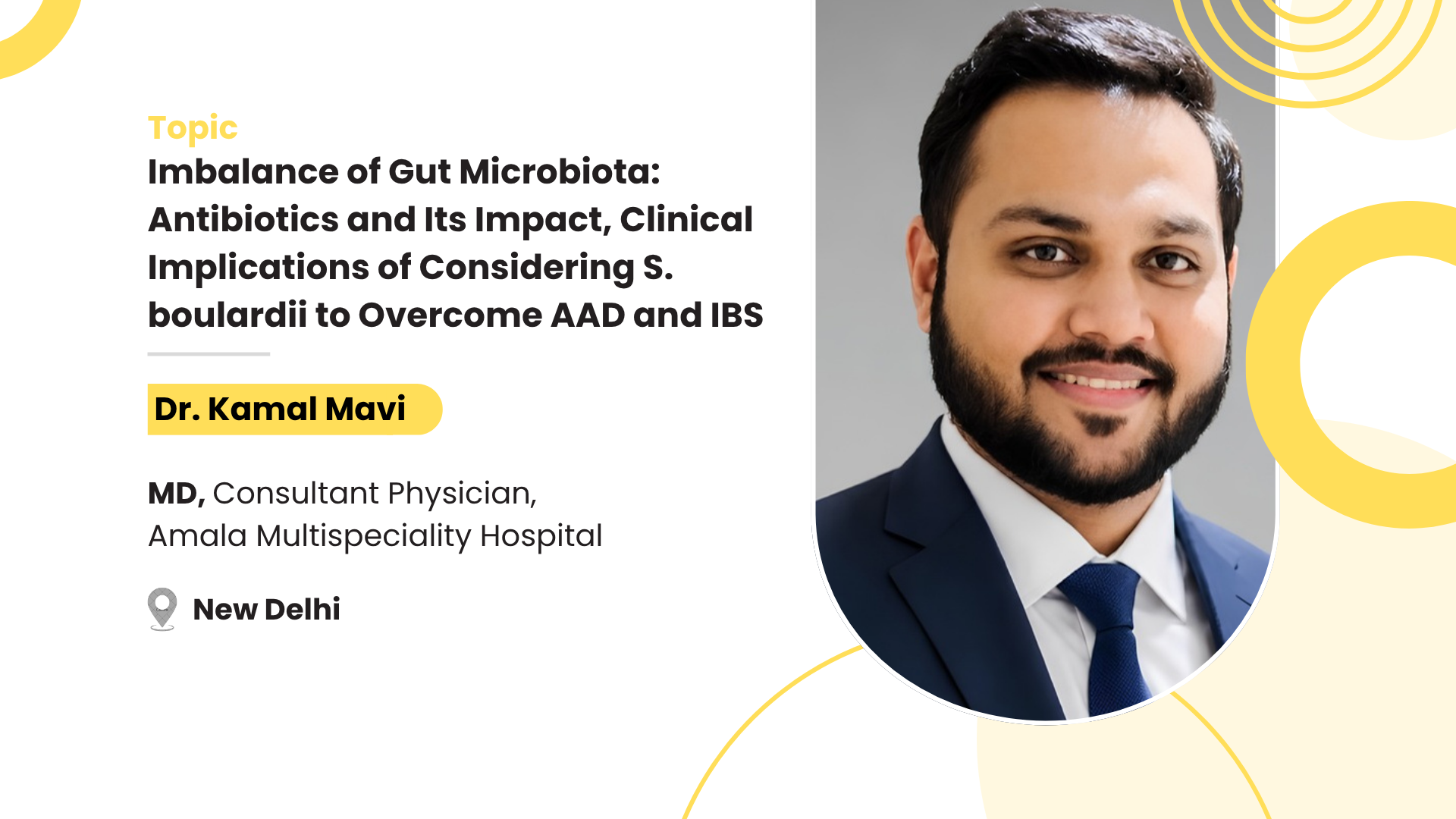
Gut dysbiosis plays a central role in the pathophysiology of irritable bowel syndrome (IBS) by disrupting normal intestinal homeostasis and altering gut microbiota composition. Imbalances in bacterial populations are associated with IBS symptoms including bloating, abdominal discomfort, abnormal fermentation, gas production, and altered bowel habits, and may also contribute to small intestinal bacterial overgrowth (SIBO) and intestinal inflammation.[1] Management strategies for IBS focus on restoring microbial balance through dietary modifications, probiotics, prebiotics, antibiotics, and fecal microbiota transplantation.[2][3] Emerging evidence suggests that resilient probiotic strains may improve gut barrier function, reduce inflammation, and enhance gastrointestinal health and quality of life in patients with IBS.[4][5]
Evidence For Optimal Therapy In Managing IBS
|
Dr. Shekhar Puri
|
397 Views
Recent Videos

Exploring the Advantage of Including Saccharomyces Boulardii CNCM I-745 in Managing AAD: A Promise to Practice
|
Dr. Milind kadam
|
0 Views
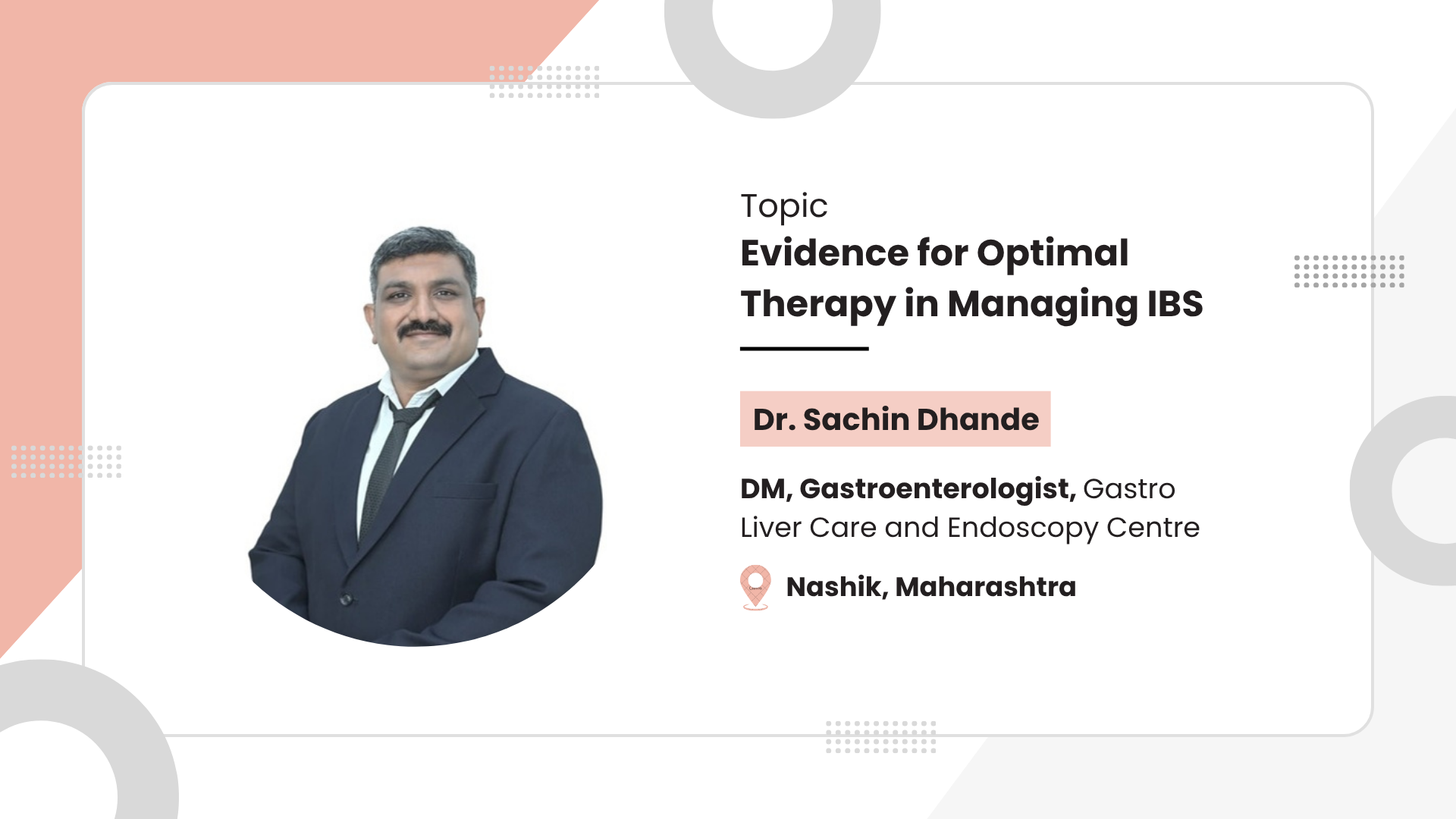
Evidence for Optimal Therapy in Managing IBS
|
Dr. Sachin Dhande
|
0 Views

Evidence for Optimal Therapy in Managing IBS
|
Dr. Nitin Gothwal
|
0 Views
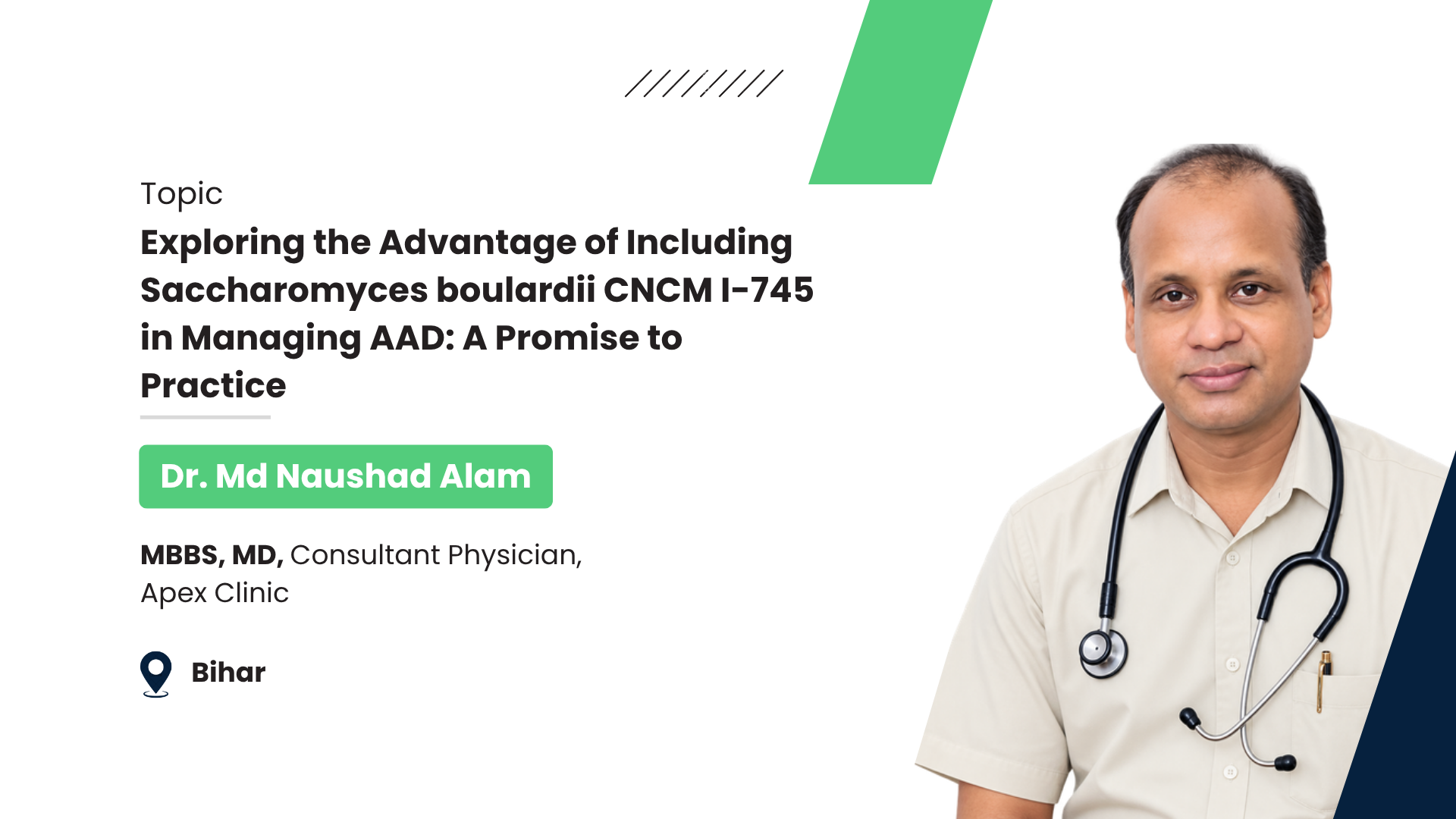
Exploring the Advantage of Including Saccharomyces boulardii CNCM I-745 in Managing AAD: A Promise to Practice
|
Dr. Md Naushad Alam
|
0 Views

Exploring the Advantage of Including Saccharomyces boulardii CNCM I-745 in Managing AAD: A Promise to Practice
|
Dr. Debasis Chattopadhyay
|
0 Views
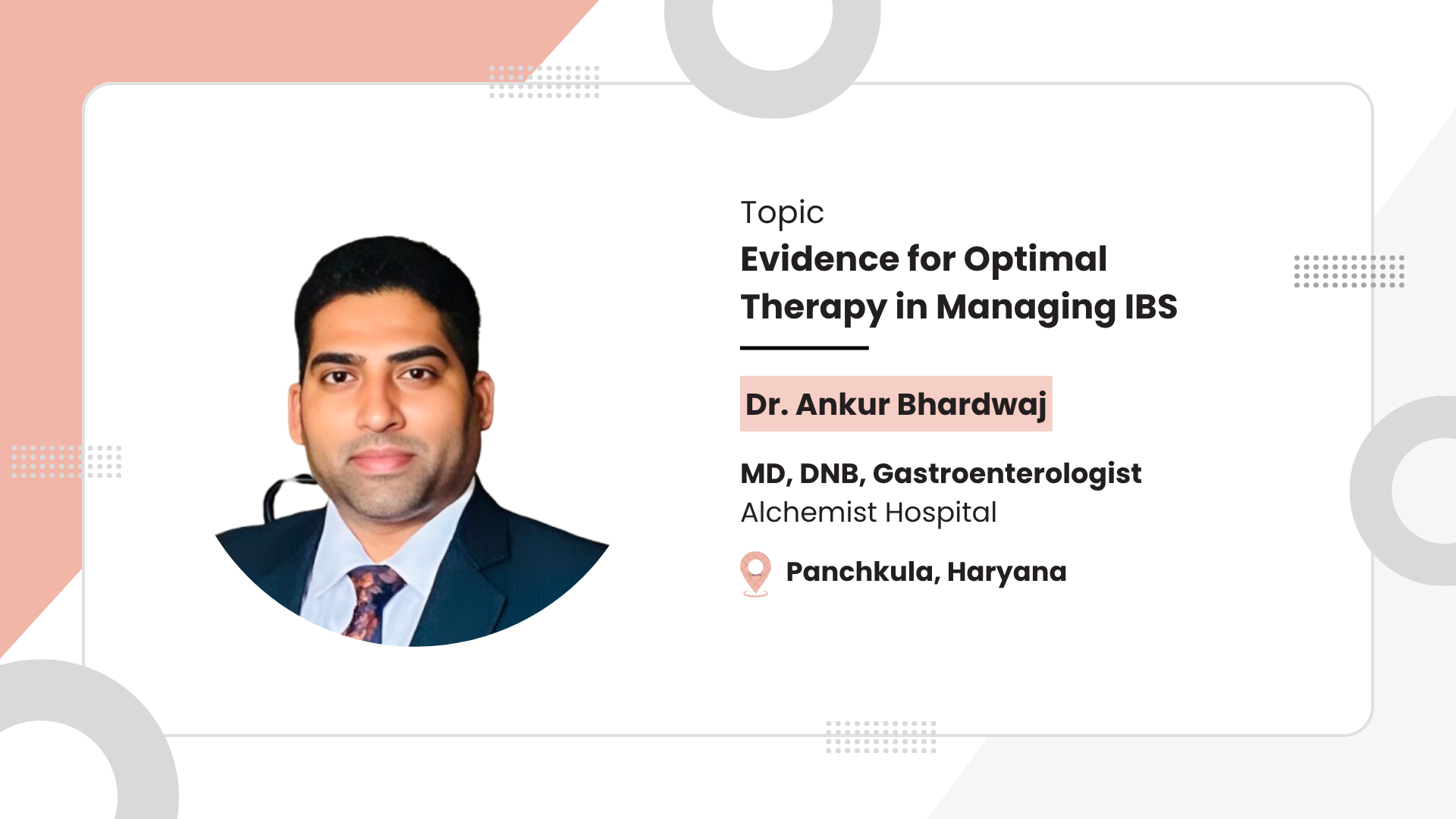
Evidence for Optimal Therapy in Managing IBS
|
Dr. Ankur Bhardwaj
|
0 Views
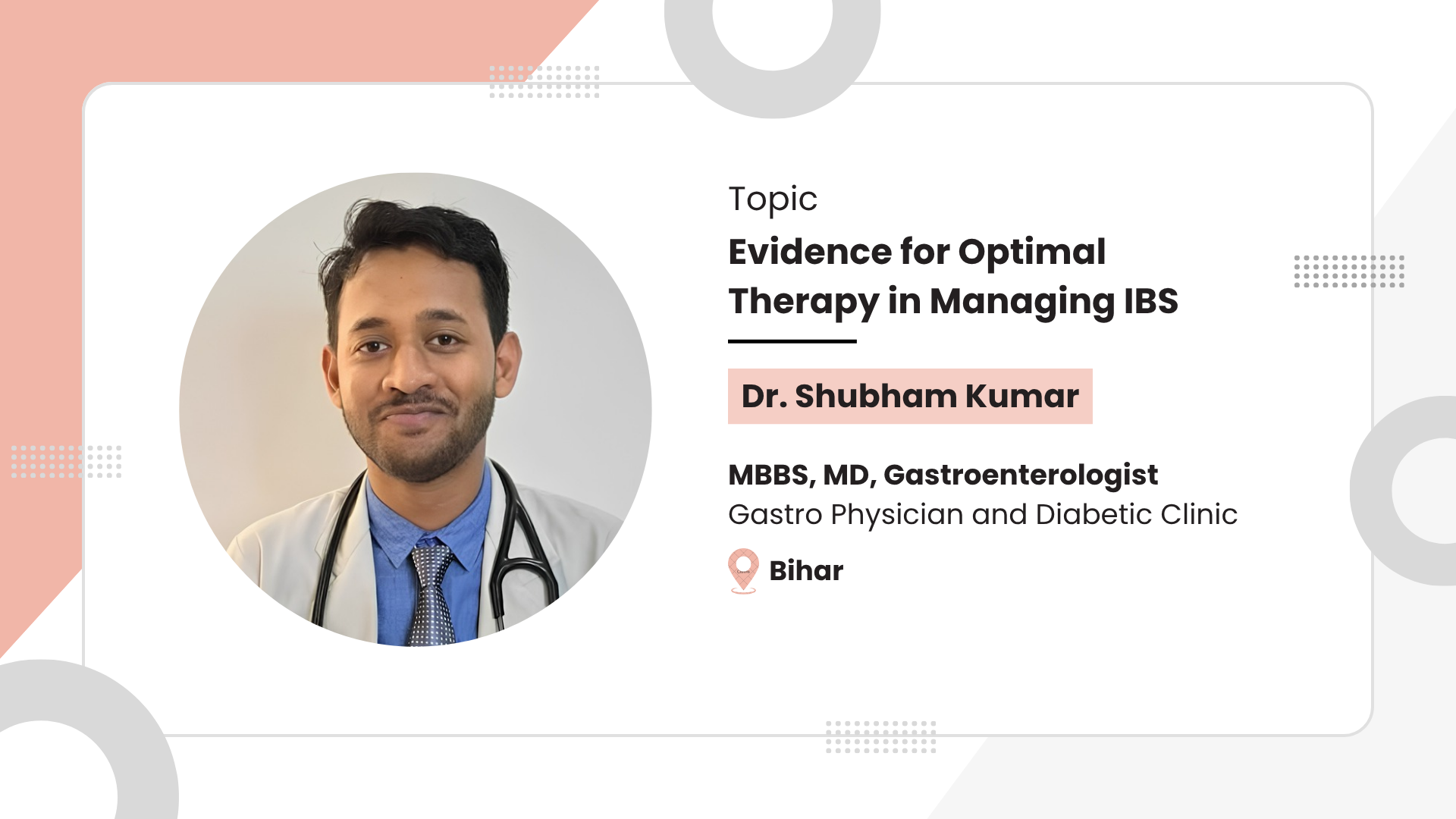
Evidence for Optimal Therapy in Managing IBS
|
Dr. Shubham Kumar
|
0 Views