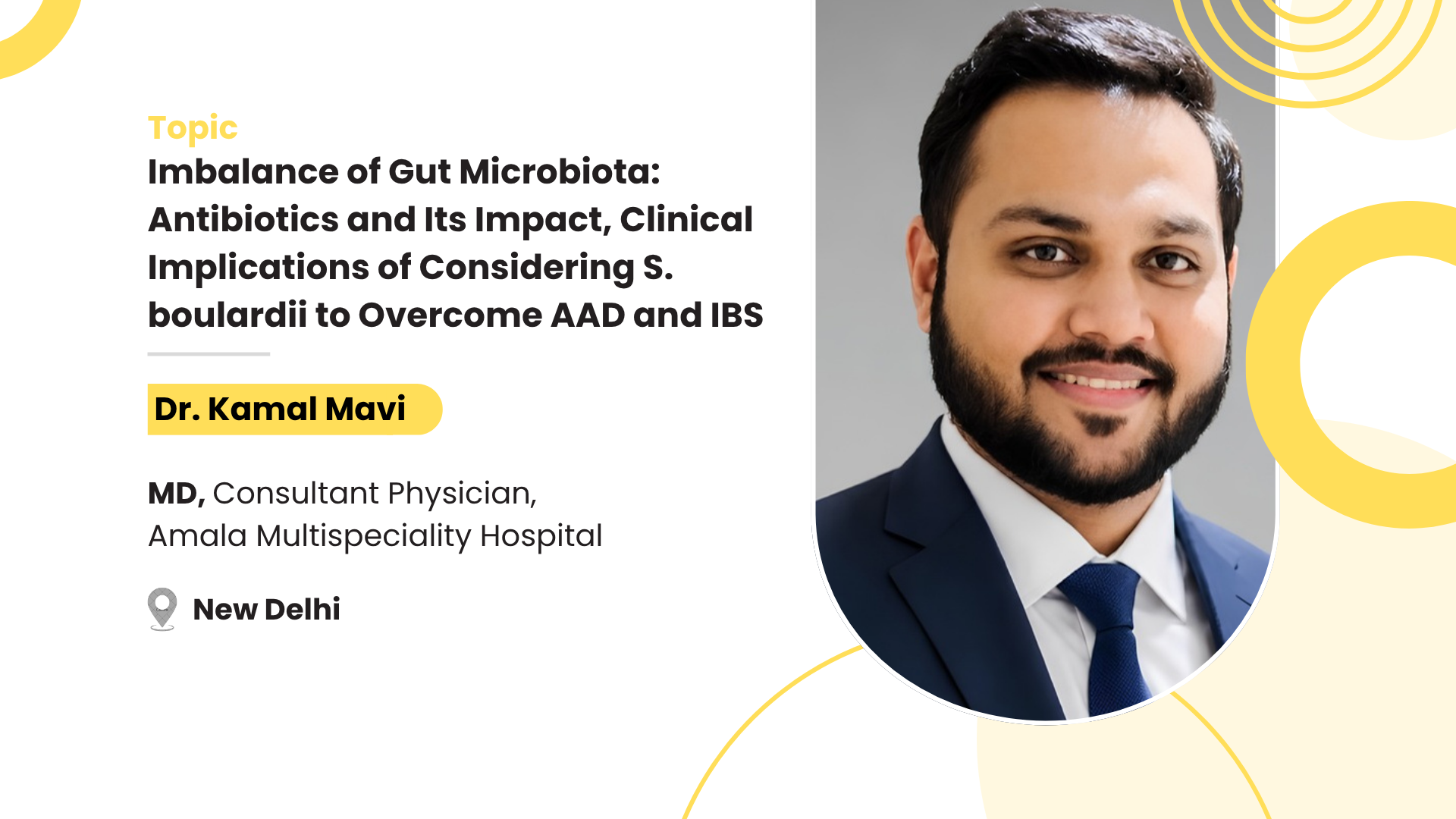
The human gut microbiome is a dynamic ecosystem that develops from early life and is influenced by delivery mode, diet, environment, and medications. In a healthy state (eubiosis), gut microbes support digestion, metabolism, immune regulation, and protection against pathogens. Disruption of this balance, known as dysbiosis, is associated with conditions such as antibiotic-associated diarrhea (AAD) and irritable bowel syndrome (IBS). Emerging evidence highlights the role of microbiota-targeted therapies, including probiotics, prebiotics, dietary interventions, and fecal microbiota transplantation, in restoring microbial balance and improving gastrointestinal health outcomes.[1][2] Also, evidence suggests that probiotic supplementation may reduce the risk of AAD; probiotics are generally well tolerated and appear to have a favorable safety profile.[3] S. boulardii CNCM I-745, which is resistant to temperature and acidic stresses, exert several effects both during dysbiosis and to prevent dysbiosis. It has shown to be effcetive in reducing duration of diarrhoea by 24 hours and hospital stays by more than 36 hours. Unlike bacterial bacteria probiotics, S. boulardii CNCM I-745 does not transmit antibiotic resistant genes. Hence, clinical evidence strongly supports this strain in managing both AAD and IBS.
Rationale for Considering Single Strain-Based Yeast Probiotics in Controlling IBS and AAD in Indian Patients
|
Dr. Sandeep Baghe
|
471 Views
Recent Videos
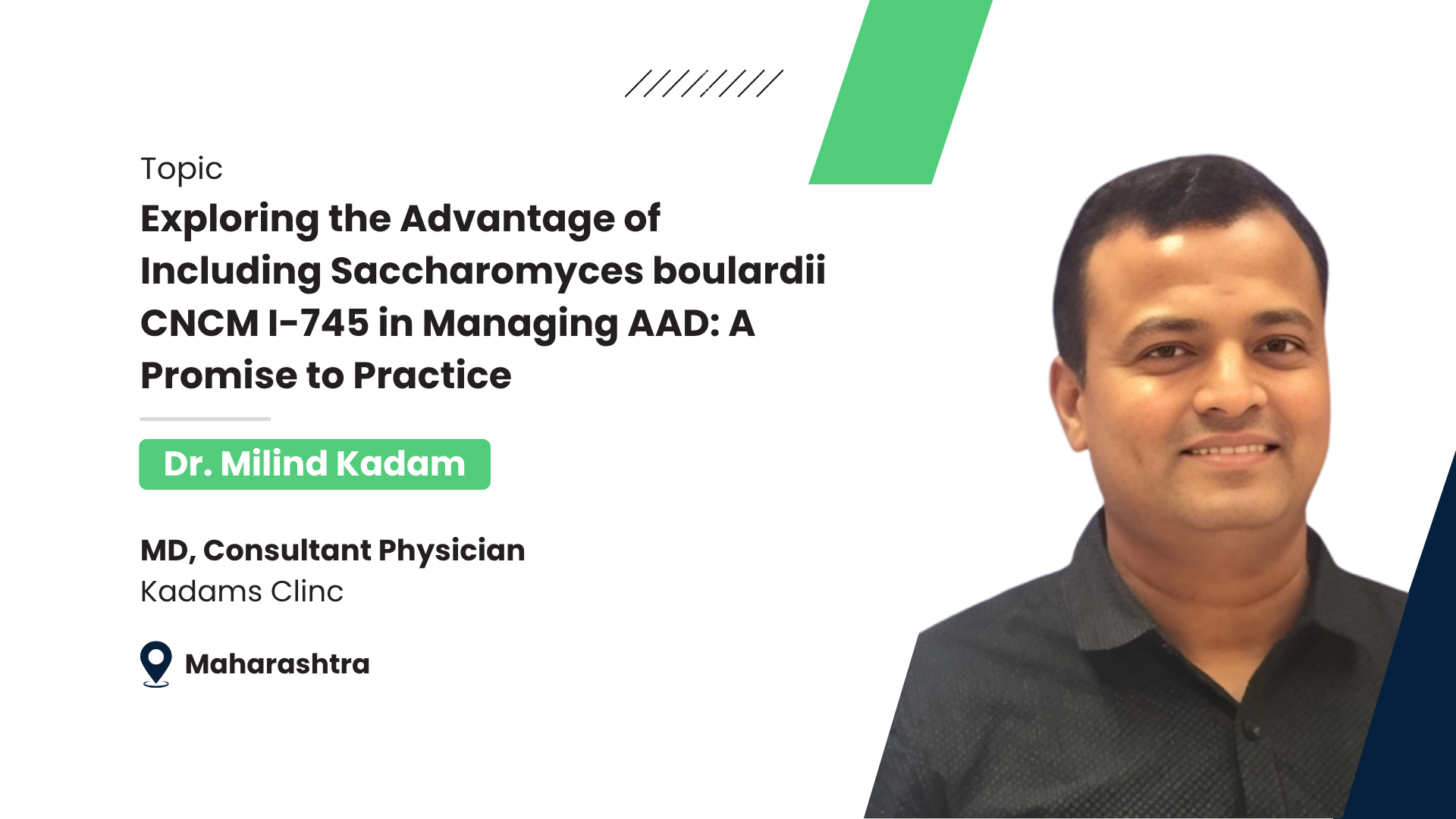
Exploring the Advantage of Including Saccharomyces Boulardii CNCM I-745 in Managing AAD: A Promise to Practice
|
Dr. Milind kadam
|
0 Views
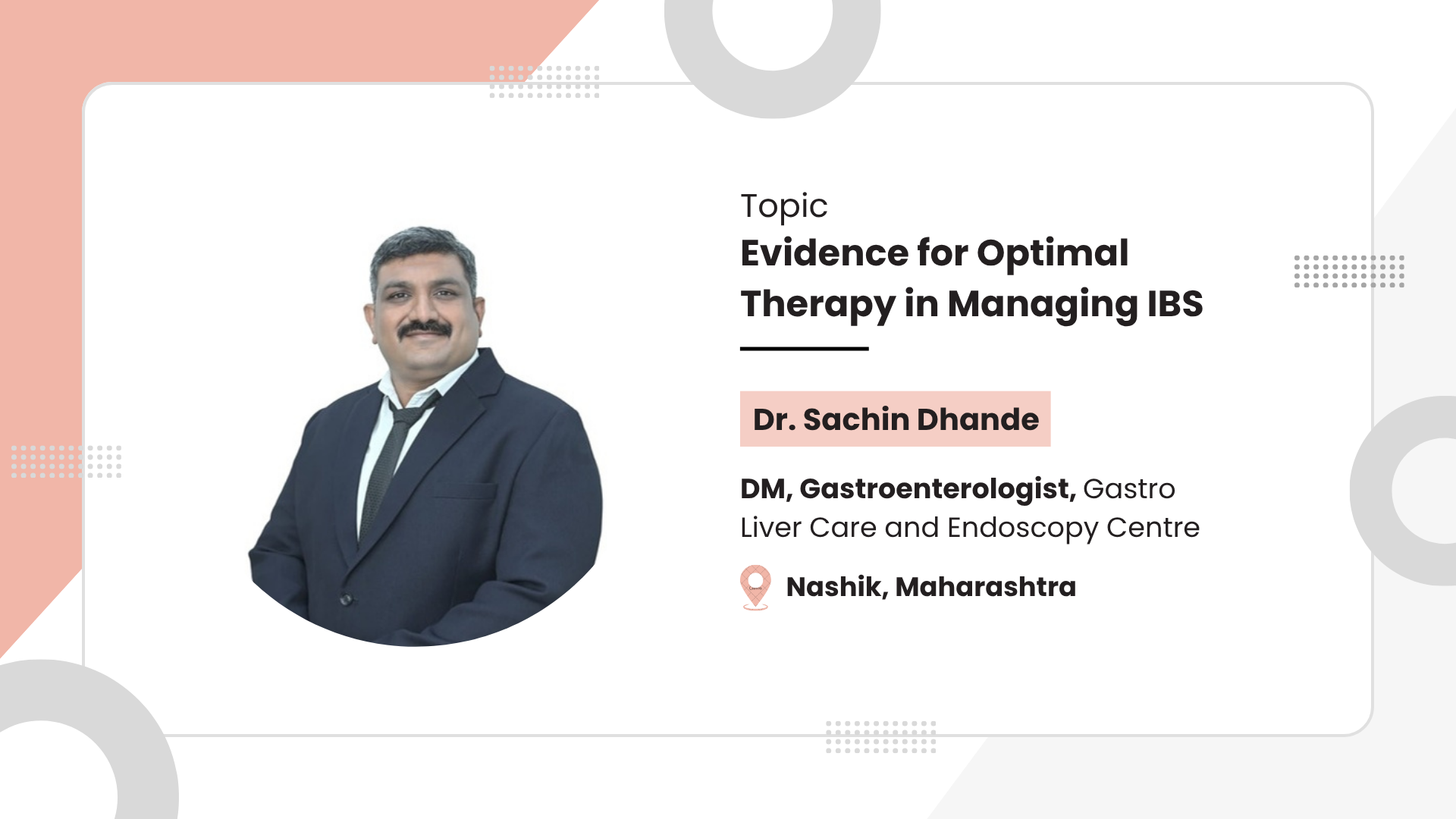
Evidence for Optimal Therapy in Managing IBS
|
Dr. Sachin Dhande
|
0 Views
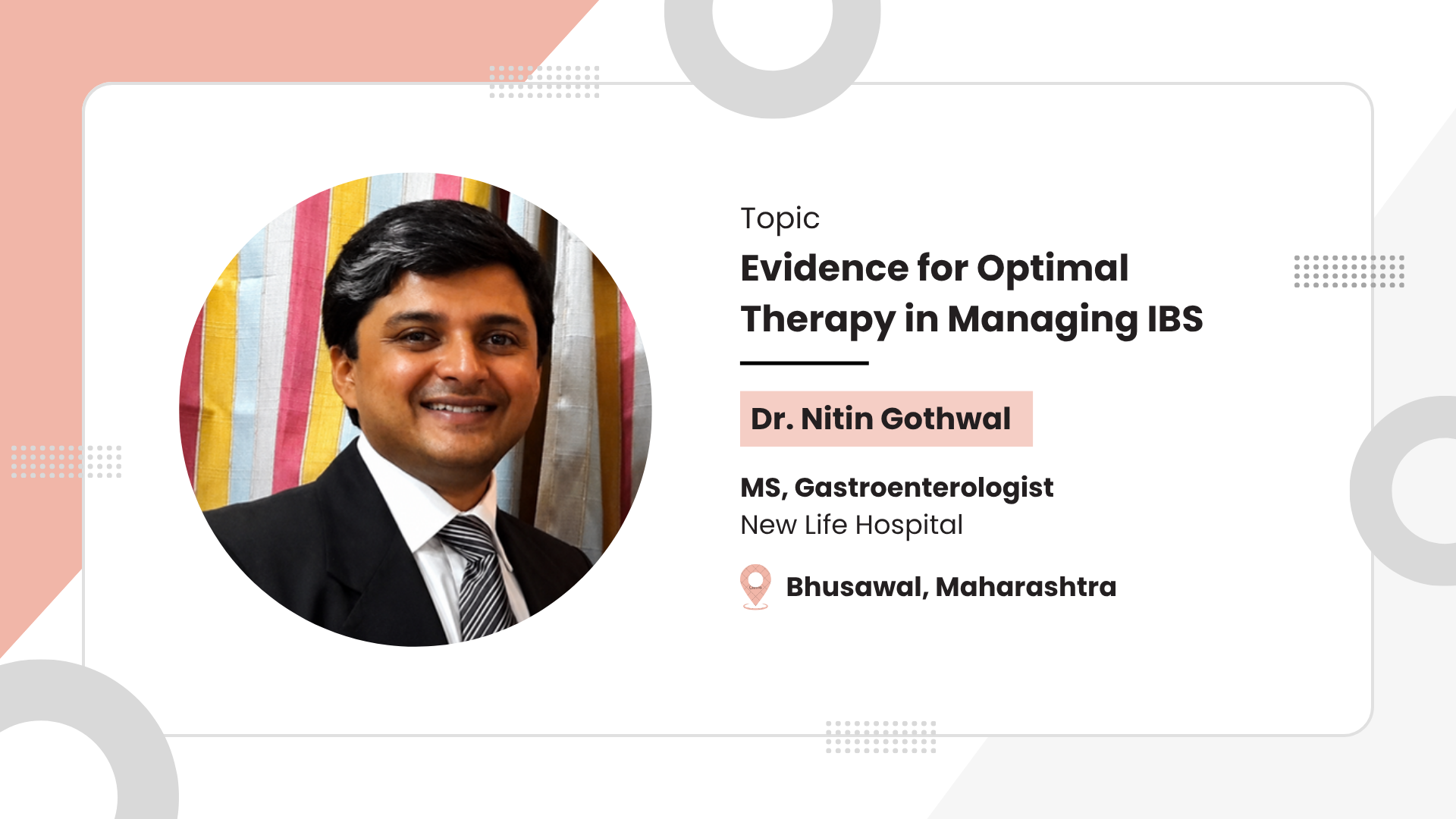
Evidence for Optimal Therapy in Managing IBS
|
Dr. Nitin Gothwal
|
0 Views
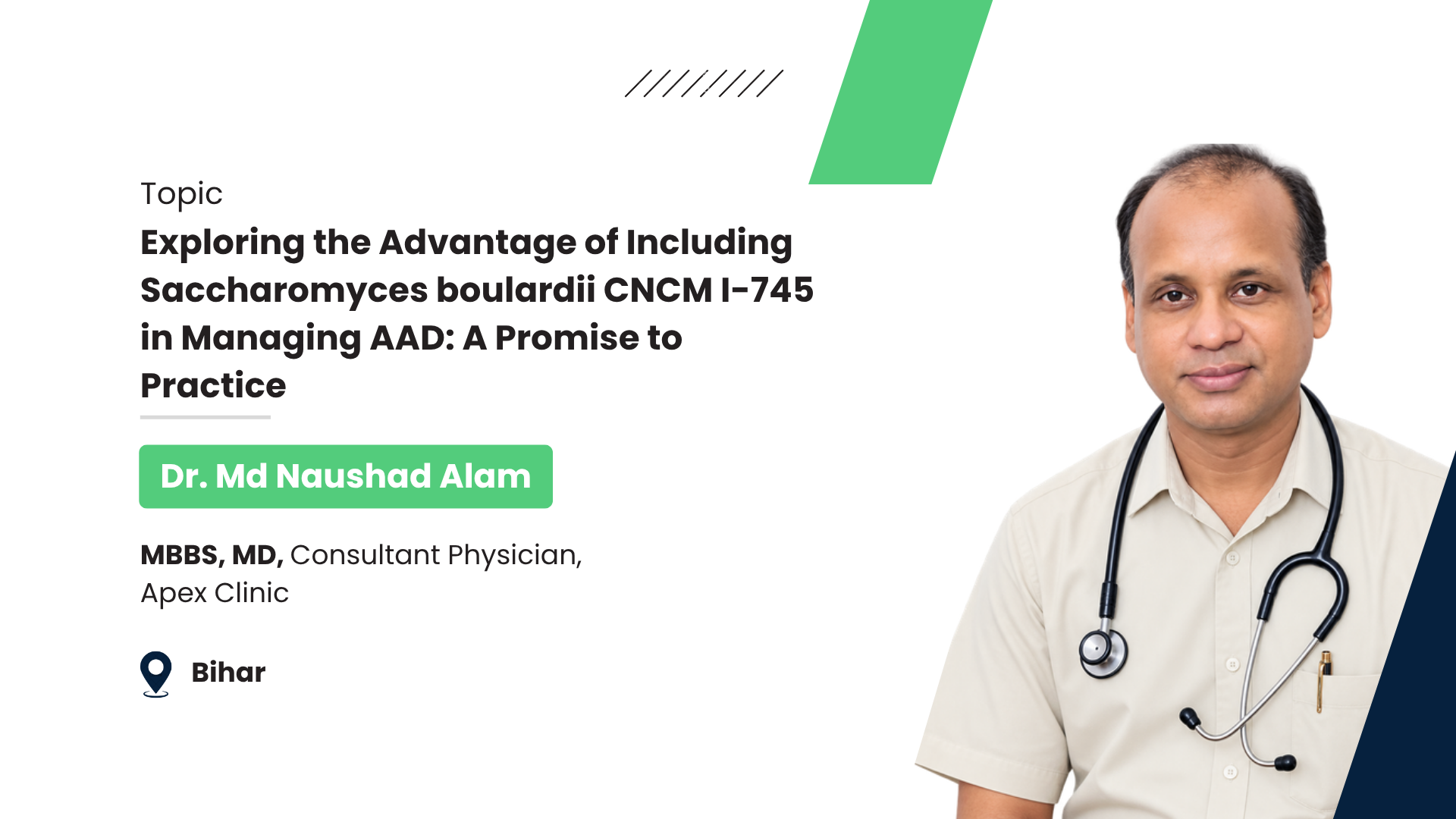
Exploring the Advantage of Including Saccharomyces boulardii CNCM I-745 in Managing AAD: A Promise to Practice
|
Dr. Md Naushad Alam
|
0 Views
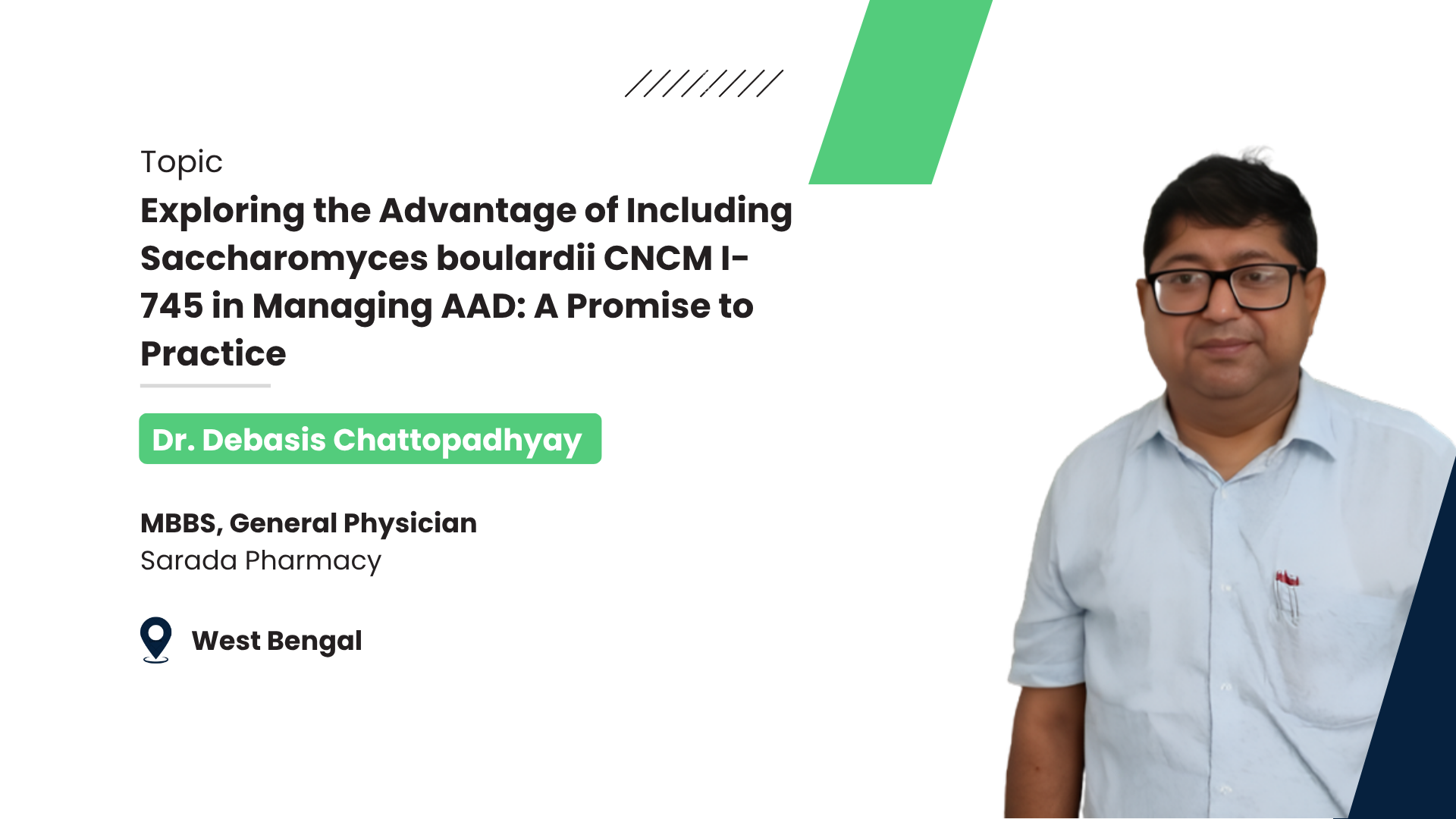
Exploring the Advantage of Including Saccharomyces boulardii CNCM I-745 in Managing AAD: A Promise to Practice
|
Dr. Debasis Chattopadhyay
|
0 Views
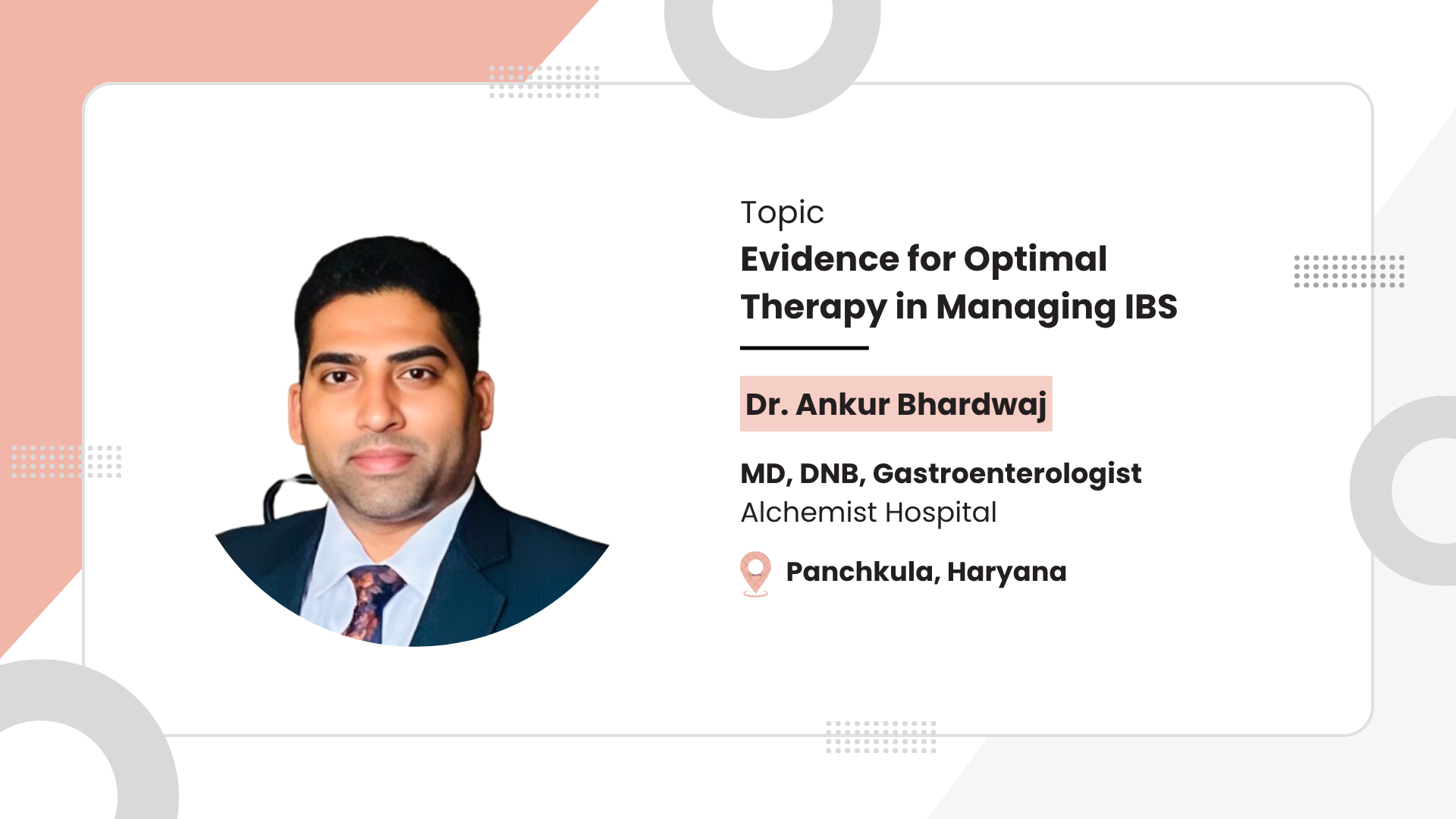
Evidence for Optimal Therapy in Managing IBS
|
Dr. Ankur Bhardwaj
|
0 Views
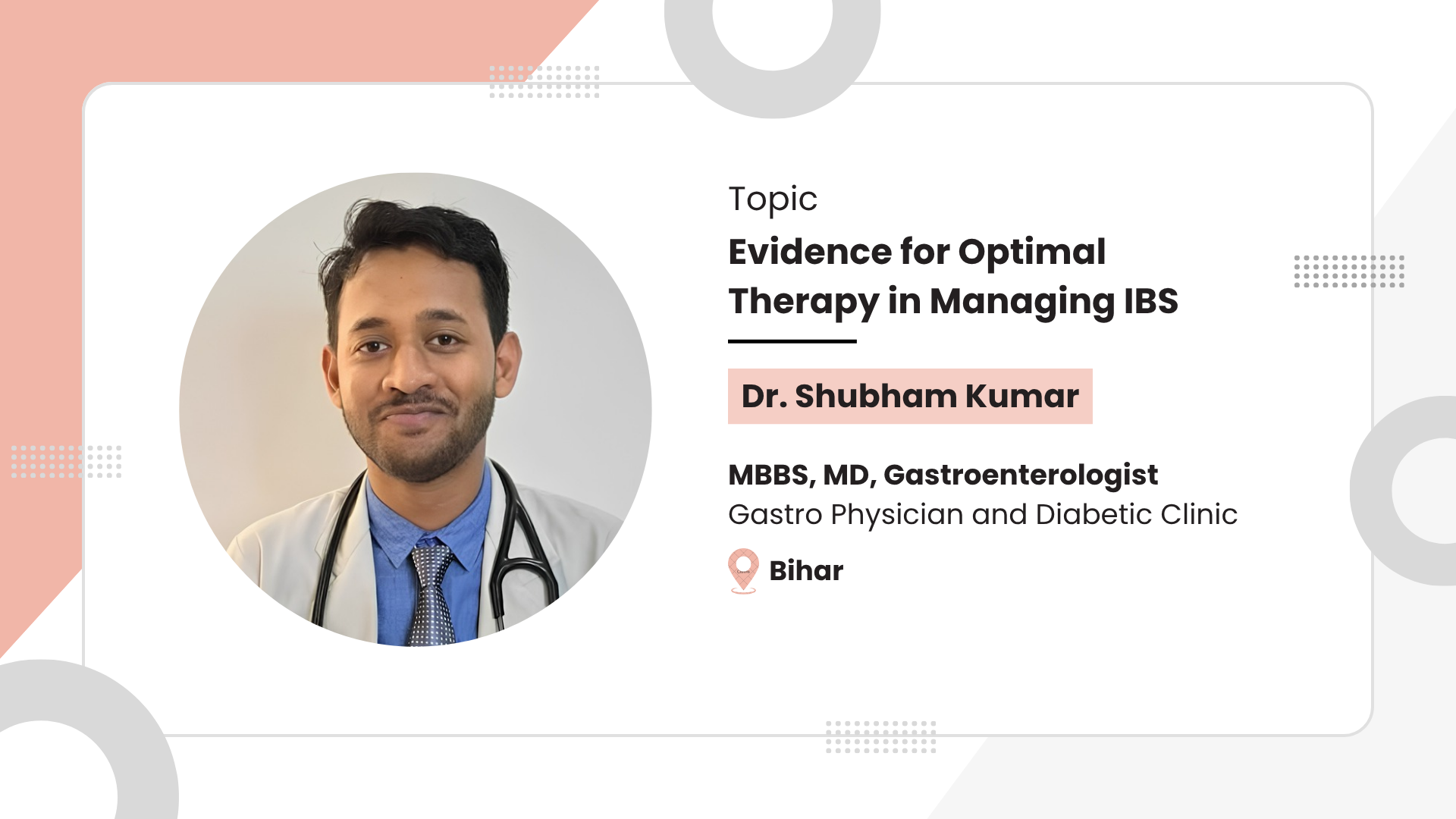
Evidence for Optimal Therapy in Managing IBS
|
Dr. Shubham Kumar
|
0 Views